

The Human-Animal Bond
Pets are owned by people for a variety of reasons including companionship, to the pleasure of touching an animal friend's soft fur. There are many other animals besides dogs and cats that can bring joy into a person's day. Rabbits, guinea-pigs, snakes, lizards, and even fish are all great pets.
Pets satisfy a deep human desire. They are present in every culture and in every society in all shapes, sizes and species.
Human-animal bond
The human-animal relationship is a unique bond humans share with animals. care pet -animal bond has existed for thousands of years and is now a central element of our lives. Humans have many relationships with animals, such as companion animals, service animals therapy animals and production animals. This relationship can have a positive impact on the health of both humans as well as animals. One Health, a concept that focuses on the interconnections of human and animal health, is a crucial aspect.
The Human-Animal Bond is the emotional bond between humans and their animals, whether they are service dogs, pets, or livestock. It also encompasses interactions between animals and members of a family or household. Humans play many roles in their interactions with animals and are valued by others because of this. People who have livestock, for instance, are often referred to as farmers or ranchers. Those who have pets are known as dog owners. The human-animal relationship is important for both species' welfare and has become the mainstay of modern medicine.
Many people are bonded to their pets and they consider them important members of their family. These bonds can be beneficial, especially in difficult times. They may help reduce stress and boost levels of oxytocin, which can alleviate pain. Research shows that pets can provide emotional support to people and help them deal with depression and anxieties.
Despite these advantages the human-animal bond not without its challenges. Abusers can make use of it to control and manipulate the victims. These abusive individuals may threaten to harm or harm their pet victims in order to gain power and influence their victim. They can also use the threat to harm animals to gain power in court or to take revenge on their victims.
The human-animal bond is an essential component of the One Health concept, which defines the wellbeing of animals, humans, and the surrounding environment as continuously connected. While the majority of the One Health conversation focuses on the zoonotic diseases and reservoirs of animals but it is becoming more evident that human-animal bonds play an essential part in the health and well-being of humans.
Companion animal
A companion animal is a pet that provides a person with emotional comfort and support. Doctors often prescribe these animals to help patients deal with depression and anxiety. They also give a sense of freedom and independence. The relationship between pets and humans is among the most intimate and mutually beneficial relationships in all of nature. Animals have always been with humans in their travels. They have assisted humans to hunt and gather food, as well as protect their homes and provide a vast variety of services. They are also crucial for a person's happiness and mental health.
pet and home care of these animals can be trained to perform tricks, and some may even speak. care pet are able to tell the sadness of their owners and show affection. They are committed to their owners and can build trust in time. They are able to recognize their owners' voices and know when to greet them and when to remain silent.
The primary difference between an ESA and an animal is that the latter is trained to help someone with disabilities. They are regarded as service animals under the ADA that means they are permitted to accompany their owners in places which typically do not allow other pets. A pet's primary purpose is to provide entertainment and companionship for the owner.
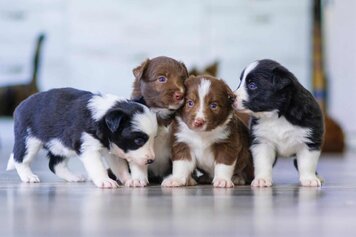
However it is important to keep in mind that not all companion animals are treated well. Many people are cruel and treat their animals as disposable objects. Animals are often the victims of cruel "convenience practices" like removing their toes or being dragged the front of cars while they bark. Their lives are also at risk of being shot, destroyed, drowned, or cooked in microwaves.
The Companion Animal Program at St. Vincent de Paul (CAP) has had a tremendous impact on the lives and well-being of thousands of homeless individuals or people at risk and their pets. CAP provides them with resources that help them remain safe, secure and together, as well as be looked after. These include free wellness checks for animals transportation to appointments, vaccinations, microchipping and licensure. CAP is striving to expand its reach and enhance the standard of living for people and their pets. You can contribute by making a donation today or sharing this website with your acquaintances.
Animals as living tools
People keep pets because of their inherent fascination with animals and cultural norms. This can lead to increased social interaction, feelings of security and stability as well as a greater satisfaction with life. A study showed that pet owners had less heart attacks than those who didn't own pets. Cats and dogs are the most sought-after pets, followed by ferrets and guinea-pigs. Mice, rats, mice, and hedgehogs are also popular. Reptiles, amphibians, and birds can also be kept as pets. Many of these species have been domesticated over many thousands of years. However, some species are still wild and are not classified.
In the past, it was believed that only humans could use and make tools. However recent research has proven that other animals also make tools. Parrots, for example, have been known to cover their beaks with objects to enhance the grip on nuts that are difficult to open. Palm cockatoos make use of leaves to hold nuts open like using spoons. Chimpanzees have been observed using rocks as hammers and anvils in order to break open nuts.
Recent discoveries of the octopus with a vein have been added to the list of animals that utilize tools. The animal stacks coconut shell halves that people discarded like bowls, and then sits on top and makes their eight arms stiff like stilts, and then flies across the seafloor, collecting the pile to later shelter.
Animal companions have a positive impact on our wellbeing, but the effect is not fully recognized. Certain studies suggest that interaction with an animal companion can lower levels of cortisol the stress hormone in the blood. Other studies show that those who have pets are less likely to suffer from anxiety and depression. Pet owners are generally healthier and have lower levels of smoking and obesity.
The number of pet owners differs by state, region and the size of the household. In general, the wealthy a person is more likely or she will have an animal. However, the relationship between a pet and its owner is often complicated. Many people have difficulty learning to say "no" and others struggle with managing the care of their pet. These factors can lead to conflict and animosity between pet owner and pet, which is sometimes harmful for both parties.
Animals as pets
It is a way of life that has been used by humans for thousands of years. It appears to satiate a deep, universal human desire, and is a source of joy and fulfillment in life. The bonds that people develop with their pets can provide psychological and emotional support, and can also serve as a social catalyst, encouraging interaction between humans.
The feeling of euphoria that comes from caring for a pet could help ease stress, boost the immune system, and ease loneliness. Pets can provide physical activity as well as encourage social interaction. improve cardiovascular, endocrine and skeletal health, and can even improve the health of your heart, endocrine system and bones. However the relationship between people and their pets is a complex one. Studies have revealed that many of the benefits people get from their pets come at a cost to the animal.
While there is no doubt that having a pet can be beneficial to health, it has been difficult to understand why this happens. Some researchers have suggested that the bond between people and their pets is a primal urge for nurturing another species. Others have argued that pet owners are manipulating evolutionary responses to facilitate different kinds of human relationships.
Researchers have also discovered that pets can boost the time they spend outdoors and in exercise facilities. This can help reduce the risk of weight gain. They also have found that children who grow up with pets are less likely depressed or develop a pattern of self-harm. The NIH/Mars Partnership funds a number projects to determine the impact of the human-animal bond on our health and well-being and to discover the reasons why some people form a strong emotional attachment to their pet.
Mammals kept as pets include small mammals like hamsters and guinea pigs, which are loved due to the fact that they require minimal space and are entertaining, as well as larger mammals, such as dogs, horses, and domesticated rabbits. Additionally, birds, including parakeets and cockatiels, as well as reptiles, like bearded dragons and snakes, are often kept as pets.